
A practical comparison for teams choosing between Webflow and Drupal — workflow, performance, SEO, and total cost of ownership.

Selected Work
















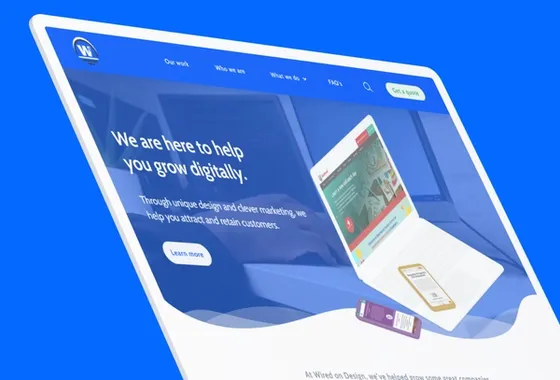


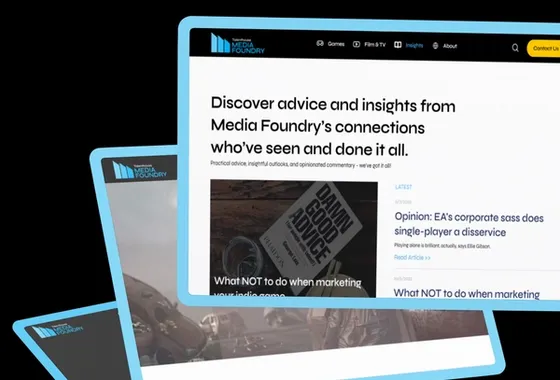


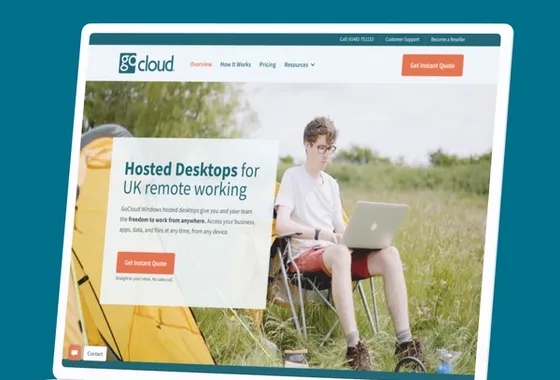




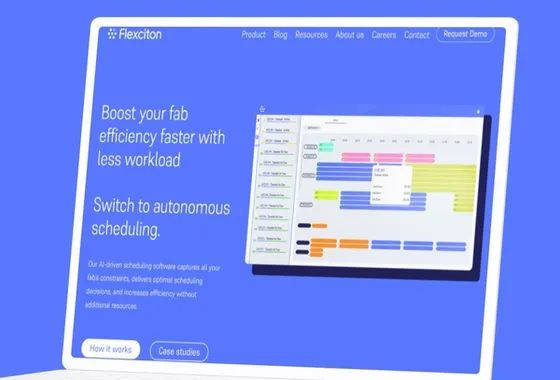










A candid comparison — strengths on both sides, then a clear recommendation for typical B2B marketing sites.
Both Webflow and Drupal can publish great marketing sites — the difference is who owns hosting risk, how fast editors ship, and how predictable performance is at scale. This page is written for marketing-led teams evaluating a 12–36 month operating model, not a weekend brochure.
| Capability | WebflowRecommended | Drupal |
|---|---|---|
| Publishing | Visual canvas + CMS lists for repeatable pages. | Depends on how Drupal was implemented — quality varies widely. |
| Performance | Lean markup and CDN-backed delivery by default. | Often needs tuning and add-ons to hit strong Core Web Vitals. |
| Maintenance | Managed platform reduces operational surface area. | Higher ongoing care for updates, plugins, or bespoke code. |
| Design fidelity | Designers implement directly in the layout surface. | Achievable — may require more glue code or builder layers. |
No pitch deck — just an honest read on migration scope, CMS modelling, and whether your stack belongs on Webflow.
Pick a platform that compounds — fewer bottlenecks, clearer ownership, faster experiments.
Ship landing pages and SEO hubs without waiting on engineering for every change.
Speed is a product feature — especially for paid and organic acquisition.
Guardrails beat heroics — roles, components, and CMS structure keep quality high.
Maturity is not the question — fit to your publishing model is.
Webflow continues to win teams that want design fidelity and predictable hosting in one layer.
Drupal remains viable where its ecosystem matches your requirements — weigh maintenance and editor UX honestly.
Webflow combines visual design, structured CMS, and managed hosting — ideal for marketing-led organisations that want speed without standing up a bespoke frontend stack.
Drupal is a serious platform for many use cases — evaluate plugin/builder stacks, hosting, and who maintains security over a multi-year horizon.
Webflow
Webflow keeps design, CMS, and publishing tightly coupled.
Drupal
Drupal workflows depend heavily on implementation choices.
Winner: Webflow — simpler operator model for most marketing sites.
Webflow
Bundled hosting/CDN reduces surprise costs for marketing sites.
Drupal
Sticker can look cheaper — add hosting, tooling, and maintenance time.
Tie — depends on team capacity and site complexity.
We’ll map your content model, integrations, and publishing workflow — then recommend what actually fits.
Pros
Cons
Pros
Cons
| Persona / scenario | Recommended | Why |
|---|---|---|
| B2B SaaS marketing | Webflow | Velocity + performance usually favour Webflow. |
| Heavily customised legacy | Drupal | If the incumbent stack is deeply embedded, migrate in phases. |
We map URLs, CMS entities, and integrations before touching design — so cutover day is boring (in a good way).
Migrate my siteB2B SaaS, agencies, education, professional services — performance-first launches with retainers that stick.
For most B2B marketing sites, Webflow is the faster compounding choice — pick Drupal when your requirements genuinely fit its strengths.
Book a 15-min call. We'll recommend the right stack based on your content model, integrations, and goals — then ship it end to end if we're a fit.







Your project is in the right hands
A wealth of experience across a range of disciplines — from front-end development and backend engineering to QA, strategy, and beyond.