

Skip to contentStart your project

Web app development, from idea to launch.

We design and build web apps, client portals and internal tools that people enjoy using. From the first idea to a working product, our UK team brings the design, development and integrations together.

  • Product strategy & UX
  • Web apps & internal tools
  • Integrations & ongoing care

Web apps, mobile products and internal tools

We first decide whether the product belongs in a browser, on a phone or both. Then we map the user journeys, data and integrations before designing the first release.

A clear path through your product.

Each screen helps people understand where they are and what to do next.

Illustrative service example

Spec & architecture

User flows, data models, API contracts, and business logic defined before anything is built. The brief is what makes the build fast without making it fragile.

Development and testing

Build the interface and backend against the agreed scope, then check key journeys, error states and responsive behaviour before release.

Backend

Xano for API-first backends — auth, data models, endpoints, business logic. Neon (PostgreSQL) where full SQL control is needed.

Design & frontend

The interface is designed properly — not scaffolded and shipped. Webflow or custom React, built to feel polished and intentional. AI speeds up the build, not the thinking behind how it looks and feels.

Automation

Make connecting the app to business operations. Stripe, Twilio, OpenAI — integrated via the backend with proper error handling.

Web & mobile

Web apps first — faster to ship and easier to iterate. Where native is the right call, Hilvy builds with Expo or Despia, connected to the same backend stack.

A feel for our work.

A short look at the websites we design and build.
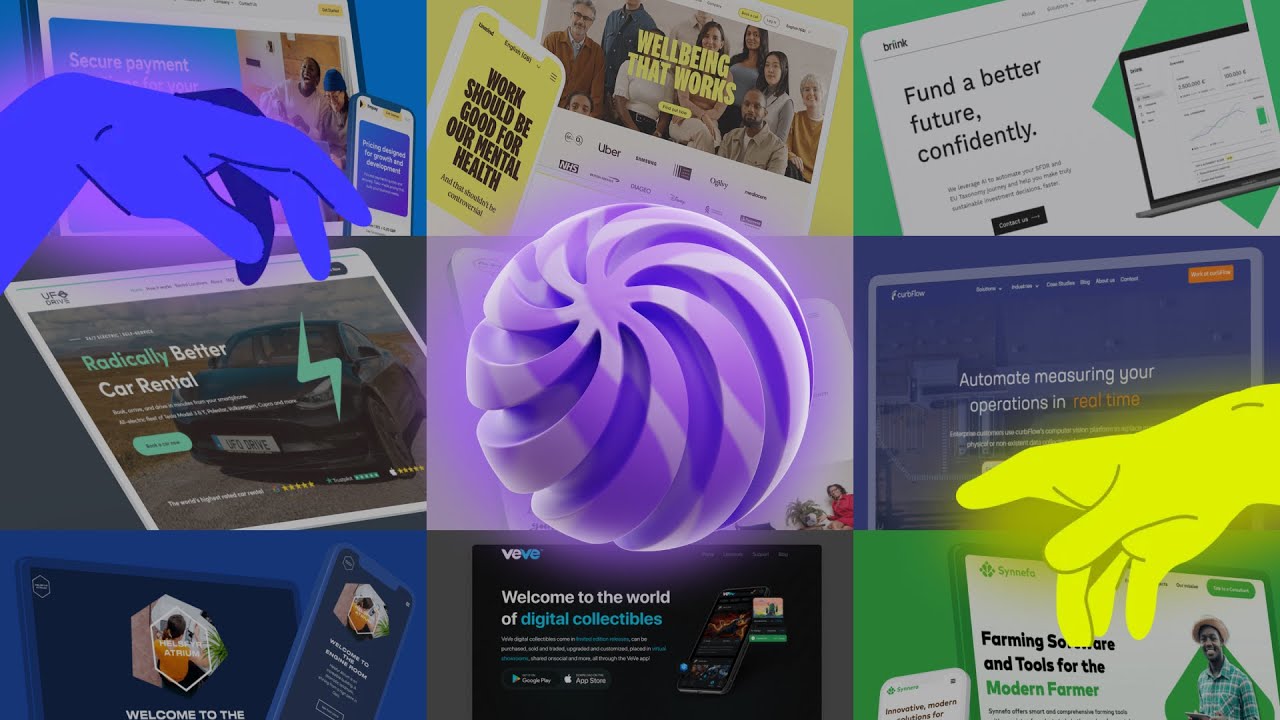
A look at the workWatch on YouTube

Product interfaces and connected systems.

For Body by Ciara, we connected a subscription website and custom CRM to a mobile app. Synnefa's website includes an interactive pricing calculator. Our VeVe work was an interface concept and Webflow prototype, not a shipped app.

A clear route from idea to production

The engagement is structured around decisions and releases, not an open-ended development backlog. You know what is being built, what it costs, and what success looks like before execution starts.

Specification and architecture
1–2 weeks
Typical focused MVP build
3–6 weeks
One connected product stack
Web + mobile
Direct access to the delivery team
UK + remote

Product specification

Turn an idea, workflow, or rough brief into a build-ready product plan.

  • User journeys and edge cases
  • Data model and API contracts
  • Prioritised release scope

Focused MVP build

Ship a polished first release that real users can adopt and your team can operate.

  • Responsive product interface
  • Authentication, data, and payments
  • QA, analytics, and launch support

Ongoing product partner

Improve the product after launch with a team that already knows the architecture.

  • Roadmap and iteration sprints
  • Monitoring and bug fixes
  • New integrations and features

Common questions about app development

A web app runs in the browser and can suit portals, dashboards and internal tools. A mobile app is installed on a phone and may need device features, offline use or app-store distribution. We decide which route fits the users and the first release before choosing the build stack.

A useful specification sets out user journeys, data, integrations and the first release's boundaries. It gives the team a shared basis for design, development, testing and a clear proposal.

We may use AI tools to prepare drafts or repetitive code. Hilvy's team reviews the architecture, data handling, user journeys and tests before a release. The scope and responsibility stay with the people delivering the product.

Xano for most projects — API-first, no server management, handles auth and business logic well. Neon (PostgreSQL) where full SQL control is needed. The choice is made during scoping based on what the product actually requires.

Yes. Web apps are usually the right starting point — faster and easier to iterate. Where native is genuinely needed, Hilvy builds with Expo (React Native) or Despia, connected to the same backend and automation stack.

Focused internal tools and client portals typically start around £8,000. SaaS MVPs with authentication, dashboards, payments, and integrations usually start around £20,000. Every build is scoped from a written specification, so you receive a clear fixed proposal before development begins.

A focused MVP with a clean spec typically takes three to six weeks. The specification itself takes one to two weeks. Larger products are split into measurable releases so the team can test real usage without waiting months for a single launch.

Hilvy offers ongoing retainers for teams who want a partner who already knows the codebase — not a studio that needs to learn it from scratch.

We agree the handover in the project scope. It should cover access to the product and its services, documentation for the key workflows, the checks needed before releases, and a clear route for support or further development.
Derrick
Abdul
Bunmi
Farwa
Joshua
Nitin
Samuel

Your project is in the right hands

A wealth of experience across a range of disciplines — from front-end development and backend engineering to QA, strategy, and beyond.

7 specialists·50+ projects·5★ rated

Have an app to build? Let's talk.

Bring the brief, the workflow, or just the problem. We'll tell you what belongs in the first release and what it will take to build properly.