
Use an approved, representative example.
Show the starting material, the useful result and the checks a person performs. Avoid cherry-picked demonstrations presented as a guarantee, and keep real customer records out of public samples.
 Start your project
We design AI product websites that show what the system helps someone do, what information it needs and where human judgement remains. Real examples and clear evaluation routes are more useful than another page of intelligence claims.
The audience needs to understand input, output and the role of review. Explain the workflow before introducing model terminology, and make limitations visible where they affect the decision.
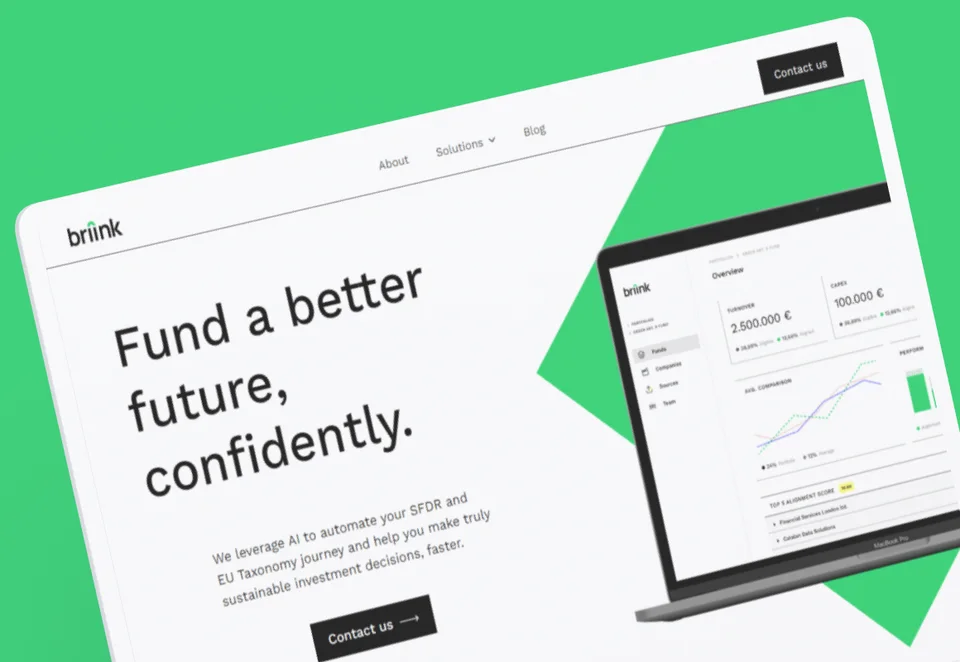
Show the starting material, the useful result and the checks a person performs. Avoid cherry-picked demonstrations presented as a guarantee, and keep real customer records out of public samples.
Separate measured evaluations, supported integrations and future features. Give benchmark claims a source, method and owner rather than treating a chart or model logo as proof.
Clarify whether the next step is a recorded example, sandbox, trial or sales discussion. A live demo needs rules for access, input handling, costs and failure states before release.
Connect the website to the tools your team already uses, with a clear plan for publishing and enquiries.
Manage use cases, evaluation resources and supported integration information in reusable pages.
Explore Webflow product contentScope an actual assistance or search task with input boundaries, review and an appropriate fallback.
Explore AI-enabled website featuresTreat a live sandbox as a separately specified application with limits and operational ownership.
Explore Demos and product developmentBy Hilvy · Updated
Use an approved example and public evaluation material. This is a product-communication worksheet, not a model-safety assessment.
Leave with: A task demonstration, claim-to-evidence map and safe evaluation brief.
Download blank checklist (.md)No signup. Ticks are not sent to us. The download is a blank copy with space for owners and notes.A look at the websites we design and build.
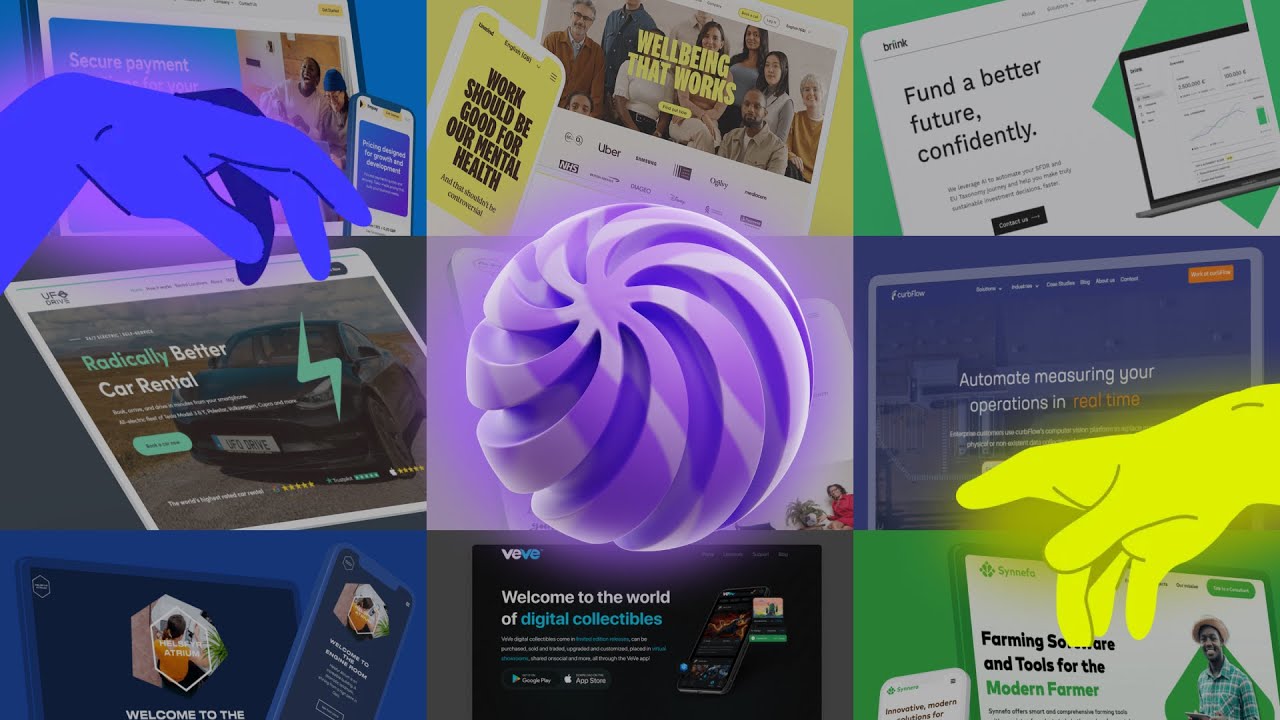
Application development can be separately scoped, but this page concerns the public website and evaluation journey. The Briink example demonstrates website delivery, not training, validating or certifying a model.
Only if there is a useful task, appropriate source material and a clear fallback. We define input boundaries, review, access, operating cost and ownership before choosing a feature; a chatbot is not a mandatory part of an AI company website.
Use approved evidence with its method, conditions, date and limitations. Do not turn a narrow result into a universal performance claim or imply that a website graphic is an independent evaluation.
We can assess a recorded example, controlled demo or sandbox. A live experience needs explicit input handling, access, limits and failure behaviour, and must not invite confidential customer material without an approved process.
Bring an approved example, its limitations and the next evaluation step your team can support.