Give each project an understandable story.
Describe the problem, activities, partners and limitations using approved material. Separate completed work, ongoing monitoring and future targets rather than imply every activity has a proven outcome.
 Start your project
We design conservation websites that explain the work, connect claims to evidence and help people choose how to support it. Project stories and research need a manageable publishing structure, with careful decisions about sensitive location and field information.
Supporters, partners and research readers need more than an inspiring image. Explain what the project does, where the evidence comes from and what can responsibly be made public.
Describe the problem, activities, partners and limitations using approved material. Separate completed work, ongoing monitoring and future targets rather than imply every activity has a proven outcome.
Model sources, publication dates and project updates so important statements can be traced. Agree which locations, species records or field details should be withheld from the public site.
Distinguish donations, volunteering, partnerships and research contact. Use the existing approved providers for payments and personal information, with clear explanations of what happens after the handoff.
Connect the website to the tools your team already uses, with a clear plan for publishing and enquiries.
Link project stories, approved sources and updates through reusable Webflow content.
Explore Project and research CMSReview the donation, volunteer or partnership provider and keep confirmation responsibilities explicit.
Explore Supporter handoffsPreserve useful reports, project URLs and approved historical material during a site move.
Explore Archive migrationBy Hilvy · Updated
Use public approved material with a project owner. Do not record precise sensitive locations or unpublished field observations here.
Leave with: A project story, evidence register and safe-publication boundary.
Download blank checklist (.md)No signup. Ticks are not sent to us. The download is a blank copy with space for owners and notes.A look at the websites we design and build.

This brief focuses on conservation projects, research evidence and sensitive field information. A broader charity website also needs service-user, governance and donation journeys, covered by our nonprofit page.
Your project and relevant specialist owners validate the sources, method and wording. We structure the evidence and review workflow for the website.
Only according to the organisation’s approved policy and the needs of the project. Sensitive species or field locations may need to be omitted or generalised. That decision belongs to the responsible project owners.
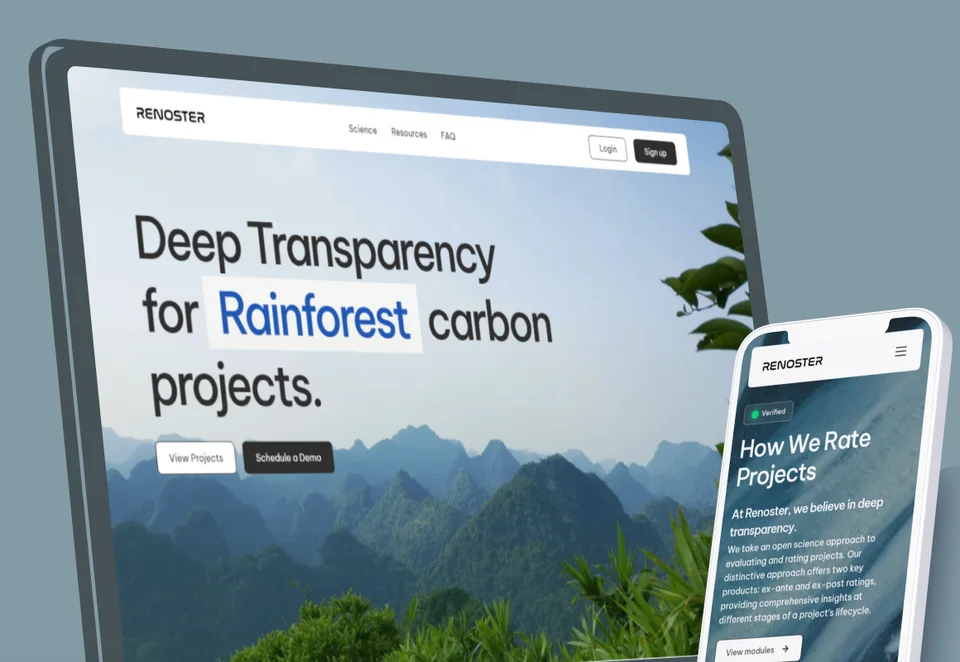
It shows a design system and public Webflow website for a rainforest carbon-project transparency business.
Bring one project, approved sources and the people who decide what can safely be published.