
Show a real first task.
Plan a short example around an approved product version and realistic prerequisites. Keep code readable on phones, label the language and make commands copyable without including real credentials.
 Start your project
We design developer-tool websites that help someone understand the use case and reach a working example. The public story, documentation and product entry points should feel connected without forcing technical docs into the wrong publishing system.
A polished headline is not enough. An evaluator needs prerequisites, an example they can follow and a dependable route to documentation, installation or the product.
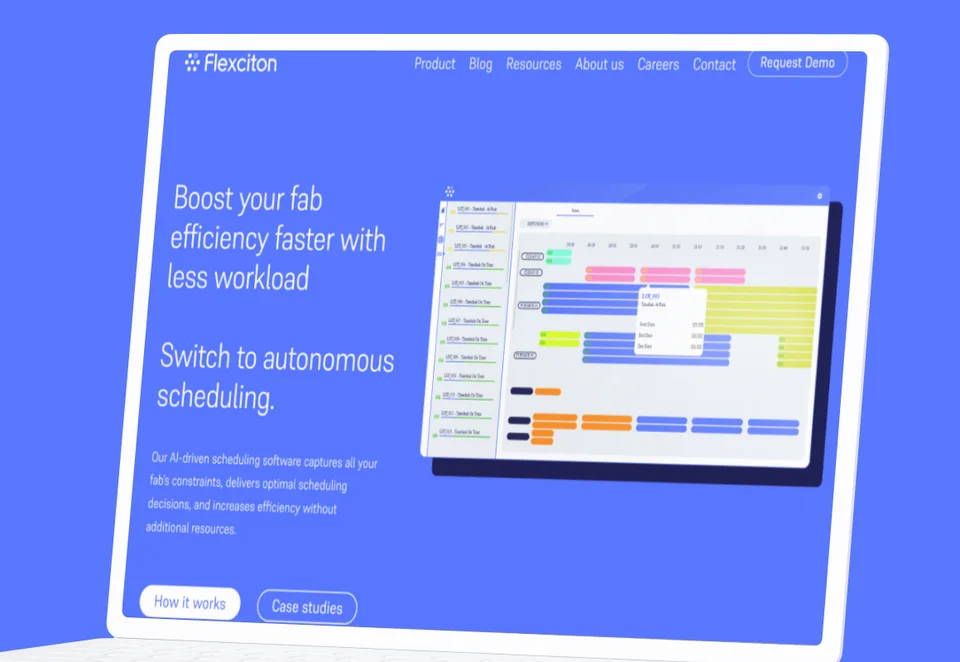
Plan a short example around an approved product version and realistic prerequisites. Keep code readable on phones, label the language and make commands copyable without including real credentials.
Keep names, navigation and important product facts consistent while letting the documentation platform own versioned reference material. Explain where sign-in, installation and support actually happen.
Structure supported languages, integrations and changelog links around a source and owner. Avoid duplicating detailed API reference material into marketing pages that nobody will maintain.
Connect the website to the tools your team already uses, with a clear plan for publishing and enquiries.
Publish use cases, customer stories and integration summaries without moving versioned reference docs by default.
Explore Webflow marketing CMSPlan routes between the website, docs and product with consistent labels and relevant destination context.
Explore Documentation handoffsAssess interactive examples and sandboxes against runtime, access and abuse constraints as a separate build scope.
Explore Custom developmentBy Hilvy · Updated
Use a test account and the currently supported product version. Never put real API keys into the public example or worksheet.
Leave with: A quickstart page brief with prerequisites, a tested example and support routes.
Download blank checklist (.md)No signup. Ticks are not sent to us. The download is a blank copy with space for owners and notes.A look at the websites we design and build.
Not automatically. Versioned API reference, generated docs and code-heavy content may be better left in the existing documentation stack. We plan the public marketing pages and their handoffs around those requirements.
Potentially, after defining the runtime, permissions, rate limits, safe data and abuse handling. A public sandbox is a small application, not just an animation or an unrestricted API key embedded in a page.
Your product or engineering owner validates commands, supported versions and output. We design and implement the presentation and test the agreed journey; we do not invent product behaviour to fill a layout.
Yes, with a template grounded in supported capabilities, prerequisites and links to maintained reference material. Each page needs useful facts and an owner, not only a partner logo and a repeated paragraph.
We can connect the product story, technical example and documentation route around that first task.