
Give the article a coherent reading layout.
Plan headings, images, captions, credits and embeds around real stories. Keep text readable, media dimensions reserved and related reading relevant to the article rather than a generic content wall.
 Start your project
We design media websites that give stories a strong presentation and make the archive useful. Article templates, contributor profiles and editorial collections help readers find more of the work while your team can publish without rebuilding a layout each time.
The lead story, an individual article and the archive each have a different role. Plan how readers move between them and how editors keep those choices current.
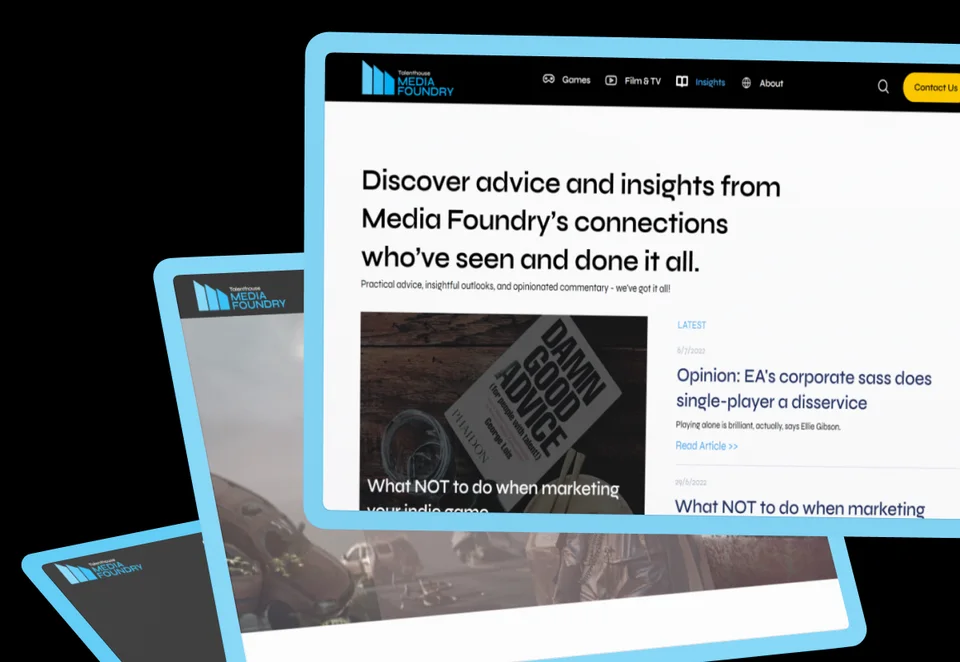
Plan headings, images, captions, credits and embeds around real stories. Keep text readable, media dimensions reserved and related reading relevant to the article rather than a generic content wall.
Agree categories, tags, contributors and series before growing the archive. Each collection should help readers explore a meaningful topic and give editors a clear rule for using it.
Create fields for genuine publication dates, updates and attribution. Agree how corrections, expired embeds and retired contributors are handled rather than automatically changing dates to make articles look new.
Connect the website to the tools your team already uses, with a clear plan for publishing and enquiries.
Create article, contributor and collection templates with useful metadata and media fields.
Explore Editorial CMSReview the chosen provider, consent wording and subscription confirmation before embedding a signup.
Explore Newsletter connectionsInventory stories, authors, dates, images and valuable URLs before moving an archive.
Explore Content migrationBy Hilvy · Updated
Use a representative published story and ask an editor to walk through the actual workflow.
Leave with: An article model, credit rules and archive-discovery plan.
Download blank checklist (.md)No signup. Ticks are not sent to us. The download is a blank copy with space for owners and notes.A look at the websites we design and build.

It can suit structured article and contributor publishing, subject to content volume, search, access and workflow requirements. We assess the archive and platform limits before choosing CMS structure or migration scope.
No. Original publication dates remain accurate. A genuine revision can show a separate update date. The visible page and structured data should describe the same publishing history.
We assess the selected providers and the actual subscription or access journey. A newsletter form, paid membership and content entitlement are different requirements and need clearly defined ownership.
We inventory URLs, body content, authors, taxonomy, media and dates, then map and test the destination structure. Publication rights and historical accuracy need an editor’s review alongside technical checks.
Bring a representative article, an archive export and the editorial workflow your team actually uses.