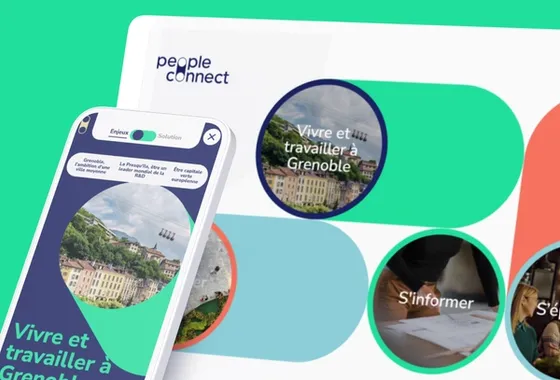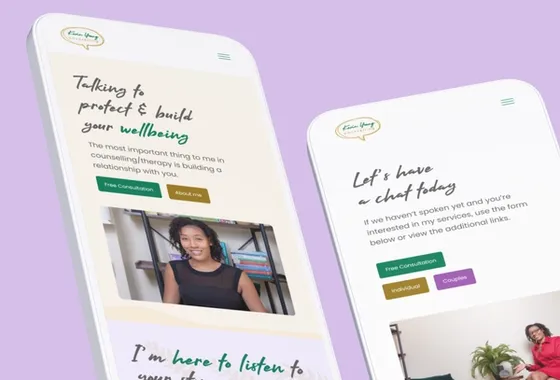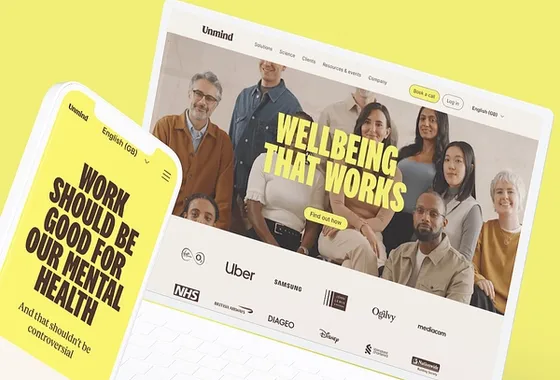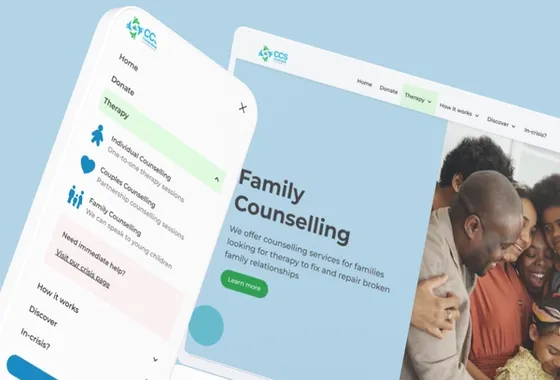
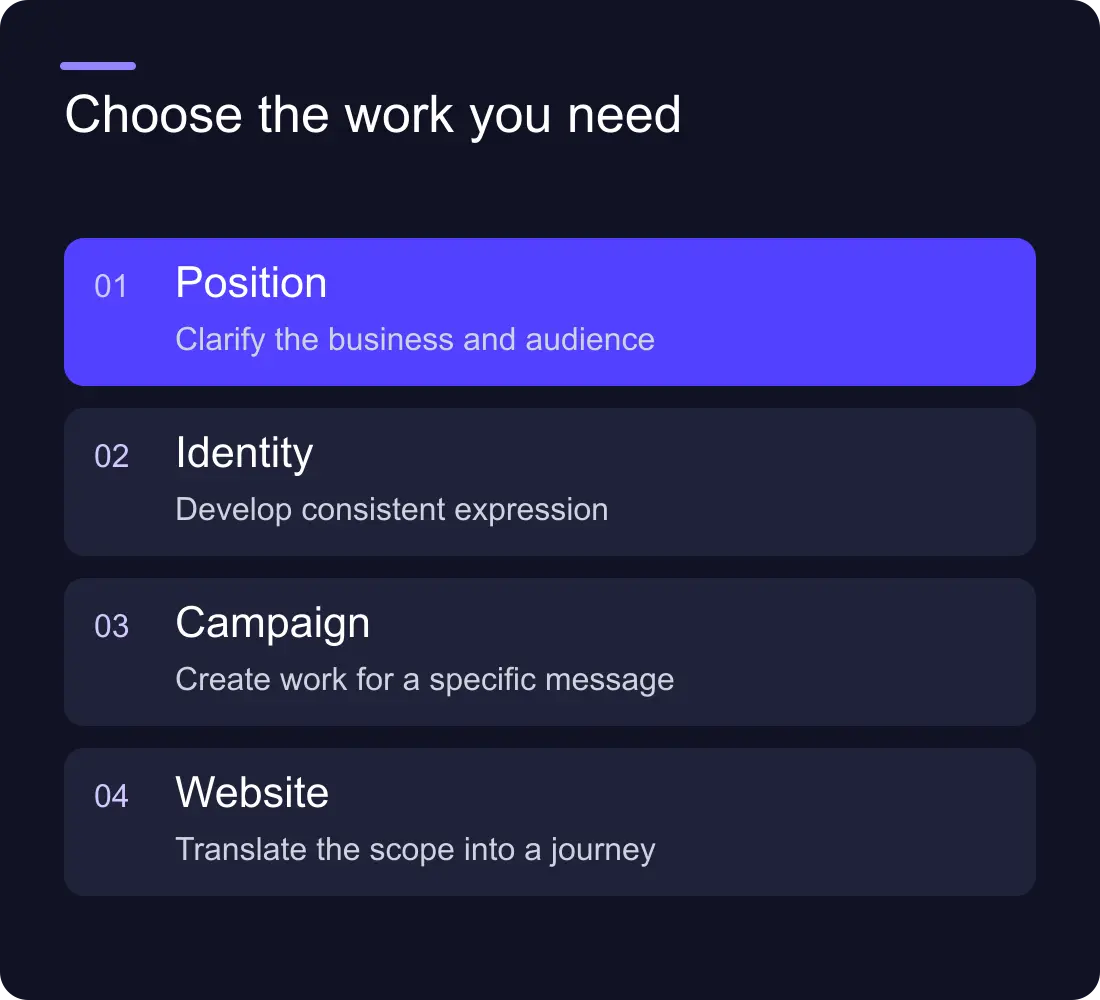
The creative agency vs branding agency question is easiest to answer by looking at the decision your business needs to make. Are you trying to define the brand, apply it across channels or build a website that explains the offer and generates suitable enquiries?
Agency labels overlap. A creative studio may do excellent brand work; a branding agency may also build websites. Compare the people, process and deliverables against your actual problem rather than treating the name as a capability guarantee.
Start with the business problem
Write the trigger in plain language. “Our new service is hard to explain” suggests positioning and messaging work. “Every campaign looks different” suggests an application and governance problem. “The website is difficult to publish” suggests design-system, CMS and implementation work.
These can coexist, but the project needs a lead responsibility. If a fundamental brand decision is unresolved, a website team may otherwise spend its build budget trying to settle it through page concepts.
Gather examples and evidence before seeking proposals. Show the current site, sales material, customer questions and known constraints. This gives providers enough context to recommend a scope.
Understand typical branding work
Branding work can include audience and market understanding, positioning, naming, verbal identity and visual identity. The scope should explain which of these are included and how decisions become usable guidance.
Ask what the business will own at the end: approved propositions, language examples, identity files, templates and application rules. A new logo is a visible output, but it is not the whole strategic decision.
Use the brand identity vs visual identity guide to identify missing inputs. If the fundamentals remain sound, the refresh vs rebrand guide may point to a smaller project.
Understand typical creative work
Creative work often focuses on how an idea appears in a campaign, experience or channel. It may involve art direction, design, content, production and a coherent way to execute the brand.
Look for evidence of the medium you need. A strong campaign portfolio does not automatically establish CMS implementation expertise. A beautiful identity presentation does not show how a long article, product detail or contact form will work.
Ask how the creative idea survives everyday use. Can the internal team create the next campaign or update the website without starting again? Does the deliverable include practical templates and source files?
Treat website delivery as its own capability
A website needs architecture, content, responsive design, development, accessibility, integrations and launch checks. One provider may cover all of those well, or the project may need a collaboration. Name the responsibility either way.
Check who makes technical decisions and who owns the handover. If a branding partner creates the design and another studio builds it, agree how they review implementation together. Otherwise, a late disagreement can leave the business managing the gap.
Keep established URLs and useful search content visible in the brief. A creative change should not casually remove ranking services or rewrite every address. Use the redesign SEO guide when a move is necessary.
Compare proposals using the same questions
- What problem does the proposed scope resolve?
- Which strategic decisions and production tasks are included?
- Who works on the project and who approves the work?
- What must the business supply?
- Which source files, rights and accounts are handed over?
- How are website implementation and launch checked?
- What support is available after delivery?
Ask for relevant work with a clear description of the provider's role. A project presented in a portfolio may have involved several partners. Understanding the actual scope is more useful than assuming every visible element was delivered by one team.
Choose the smallest complete scope
If positioning is sound and the site needs a better system, a website project or brand refresh may be sufficient. If the offer and audience are changing, resolve those decisions before detailed execution. If the main problem is a campaign, buy the creative capability that can deliver it.
“Smallest” does not mean stripping out essential work. It means paying for the decisions and outputs your business needs, with clear dependencies instead of a vague full-service package.
Can one agency handle branding and the website?
Yes, if the relevant people and delivery process are in place. Ask how strategy, identity, content and implementation connect, and inspect work that demonstrates those responsibilities.
Should we hire separate specialists?
That can work when the scopes and handoffs are clear. Include coordination and implementation review in the plan so the business does not become the accidental project manager between them.
See Hilvy's design work, website services and projects, or prepare a website brief before comparing providers.