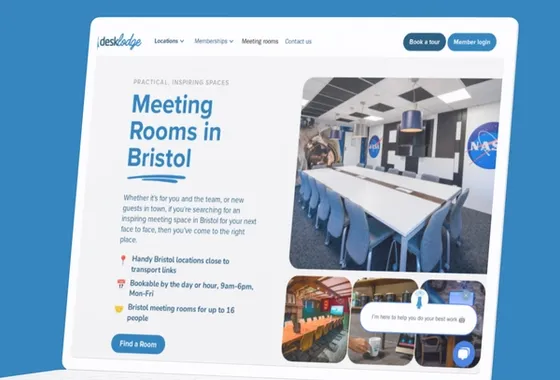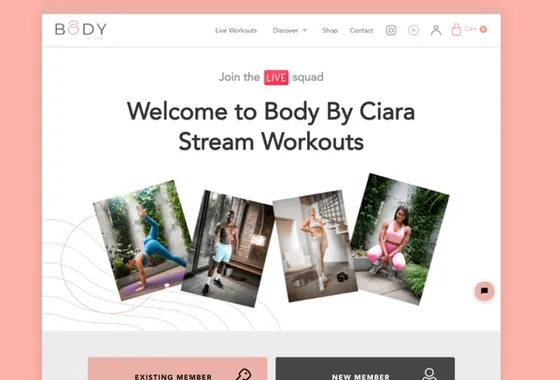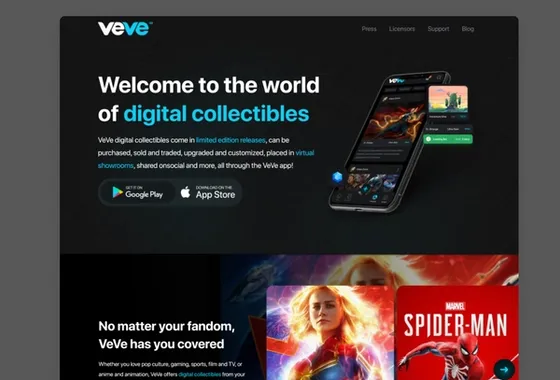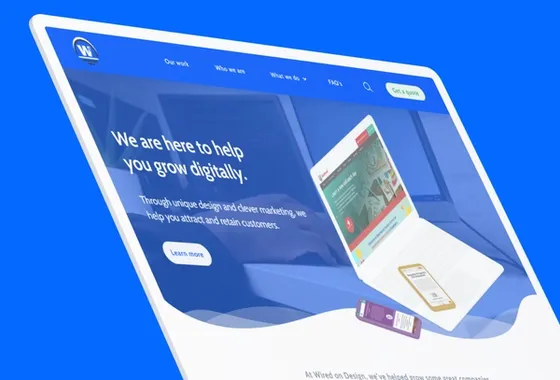
Two business website quotes can differ dramatically because they price different work. One may assume supplied copy, a template and a simple form. Another may include positioning, a content migration, custom design, integrations and a carefully tested launch.
The useful cost question is therefore: what do we need delivered, and who is responsible for each part? This guide gives you a way to compare the scope behind the quote without pretending there is one correct price for every business.
Define what the website must change
Write the main problem and desired outcome. Perhaps buyers cannot understand the offer, the team struggles to publish or the site needs to support a new market. These reasons help determine the work; “we need twelve pages” only describes part of the output.
Identify the audience, primary next step, content, functional requirements and ongoing owner. Use the website brief template so providers can price the same project.
Be open about unknowns. If the brand or integrations are unresolved, ask for a discovery stage or clear assumptions instead of demanding an exact build price from incomplete information.
Compare common project shapes
| Project shape | Work likely to affect scope |
|---|---|
| Simple marketing site | Content readiness, design fit, form and launch |
| B2B service website | Architecture, offer clarity, evidence, CMS and enquiry routes |
| Content-heavy redesign | Audit, migration, templates, redirects and editorial handover |
| Ecommerce store | Catalogue, variants, checkout, fulfilment and integrations |
| Web application | User roles, data, interactions, testing and ongoing operation |
These are planning categories, not price bands. A small project can still require difficult technical work, and a larger site can be efficient when it uses a coherent template system.
Separate the deliverables
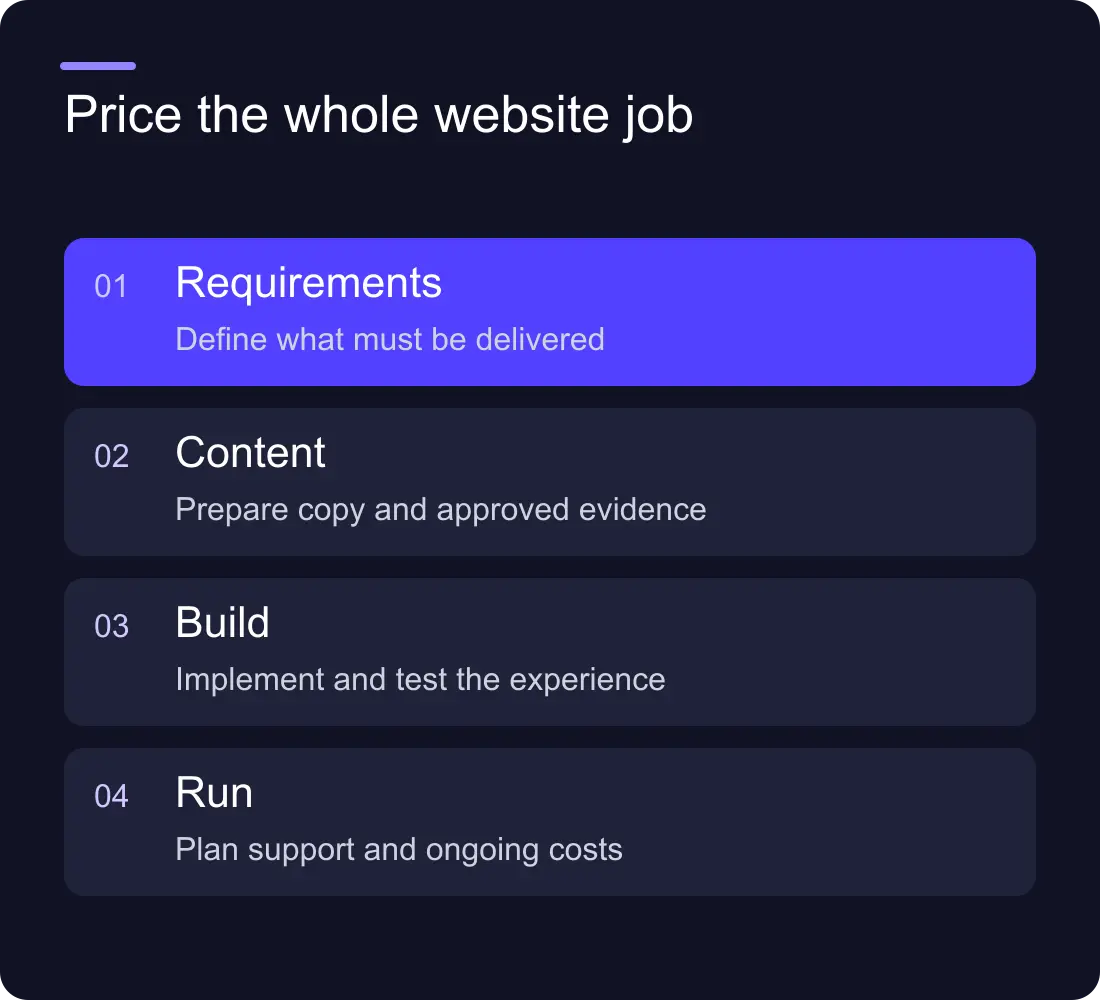
Ask the proposal to distinguish strategy, content, design, implementation, integrations, migration, testing and handover. For each, note the output and what your business must provide.
Content is a common hidden dependency. If the quote assumes finished copy and approved images, budget for producing them. A designer cannot reliably finish page layouts while the service descriptions are still changing.
Brand work also needs its own decision. A visual refresh, full identity project and website application are different scopes. Read the brand refresh vs rebrand guide before expecting the build fee to cover all three.
Ask what changes the quote
Look for assumptions about revisions, languages, CMS structures, third-party connections and approvals. A clear change process is more useful than a vague promise of unlimited everything.
Complexity often comes from relationships: several systems must exchange data, multiple people approve releases or content needs different templates. Ask providers to explain those dependencies in plain language.
For a redesign, include the existing URLs and search value. Content migration and redirect testing are part of the release, even if they do not appear in the visual concepts.
Add the operating costs
List hosting or platform plans, domains, connected software, usage charges and support. Verify current prices at the point of purchase and record the currency, billing period and tax assumptions.
Separate support from new development. An agreement to maintain existing integrations does not automatically include a new language or a campaign landing-page programme. Define response expectations and exclusions.
The Webflow website cost guide explains that platform's cost structure. For an application, compare the operational responsibilities in the web app vs mobile app guide.
Compare ownership and handover
Know who owns the domain, platform workspace, source files and integration accounts. Ask how the business would move to another provider. Clear access and documentation can matter as much as the first-year fee.
Check whether training matches the tasks your team will perform. A CMS handover should help someone publish a real page, not merely provide a video of the developer clicking through settings.
Ask about post-launch checks. Forms, redirects and published content should be verified in the live environment. A successful build is not enough evidence that every customer route works.
Use a like-for-like comparison sheet
Create columns for each provider and rows for the deliverables, assumptions, business inputs, recurring costs and ownership. Mark exclusions clearly. Ask about a missing item before assuming it is included.
Then judge relevant evidence and delivery fit. The cheapest complete scope may be right; a higher quote may include work your team would otherwise have to do. The comparison should make that visible.
Can we get an accurate price before writing a brief?
A provider can give an initial indication, but a dependable quote needs enough information to define responsibilities and complexity. A short clear brief is usually faster than correcting several incompatible proposals.
Should we choose the lowest quote?
Compare the same scope, ownership and evidence first. A low fee is not a saving if essential content, migration or support appears later as unexpected work.
See Hilvy's websites, recent work or send a project brief for a scoped discussion.